
Reviewed · GUIDED
Entrance Ticket Kurá Hulanda Museum (not including guide service)
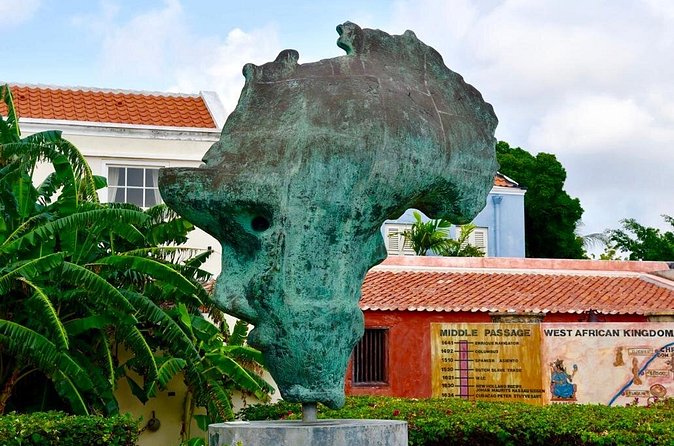
Museum Kurá Hulanda puts Curaçao’s role in the Transatlantic Slave Trade at the center of your visit to Willemstad. Its exhibits follow the forced movement of millions of Africans to the Caribbean and the Americas, then connect that history to life on the island today. The museum also displays African objects, cultural pieces, and artifacts from other parts of the world.
I like the serious local focus and the strong collection of African artifacts. I also like the freedom to visit at your own pace, since the $12 ticket includes admission and a map without tying you to a fixed group. The main drawback is that there is a great deal to read, and the route involves plenty of walking. A guide can help, but the quality of interpretation may vary.
Key points to know before you go
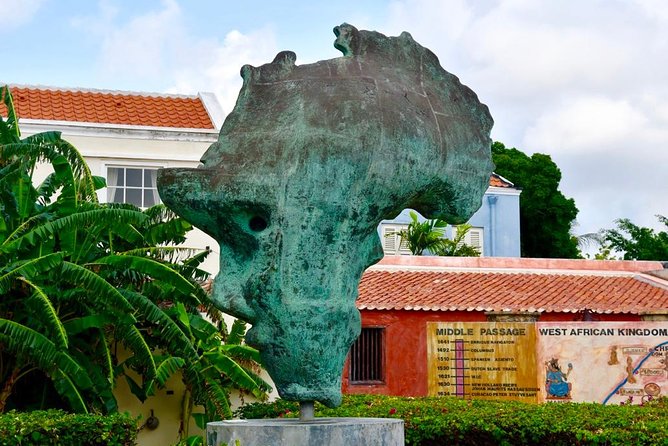
- Curaçao’s role in slavery: Learn how Willemstad’s harbor served as a major regional transfer point for enslaved people.
- African objects and cultural displays: See artifacts from continental Africa alongside material connected to the Caribbean.
- Guides cost extra: Tours are offered in English, Dutch, Papiamentu, and Spanish for $5 per person according to the current information.
- Allow more than the minimum: One to two hours is possible, but three hours gives you more time for the reading and exhibits.
- Otrobanda location: The museum sits near Willemstad’s city-center harbor and public transportation.
- Limited opening days: It is open Monday through Saturday from 8:00 a.m. to 4:00 p.m., Sunday from 9:00 a.m. to 2:00 p.m., and closed on official holidays.
Why this museum matters in Curaçao
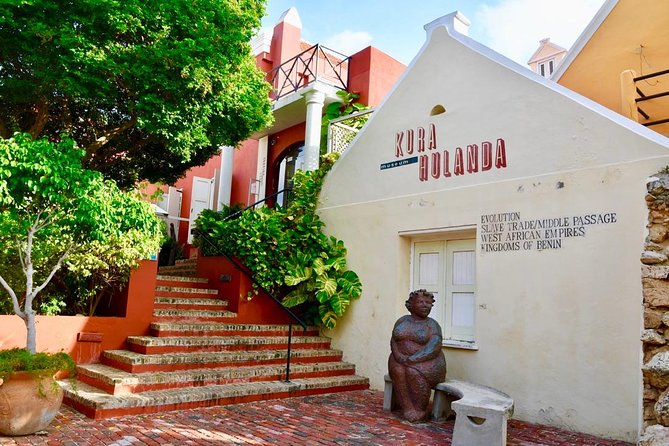
Curaçao is often introduced through its colorful waterfront, easy beaches, and Dutch colonial architecture. Museum Kurá Hulanda asks you to look at the island through another lens: the commercial system that made Willemstad an important port in the Atlantic world.
From the 16th through the 19th centuries, millions of Africans were forcibly taken from their homes and sold in the New World. Curaçao was tied to this system through the Dutch West India Company and the harbor of Willemstad. Enslaved people were moved through the region toward plantations and markets in North and South America and across the Caribbean.
That context gives the museum weight. You are not simply viewing old objects in glass cases. You are seeing how international trade, colonial power, and local commerce affected Curaçao and the wider Caribbean. The subject is painful, and the museum does not make a light sightseeing stop out of it.
I would plan this visit as a history appointment, not something to squeeze between lunch and a beach outing. The material asks for attention. Some displays may be upsetting, and the stories can be difficult to process, especially when a guide explains the human cost behind the objects.
Other Willemstad days people book alongside this one:
- Curacao: Swimming with Sea Turtles meets Sea turtle beach
★ 5.0 · 1,058 reviews - Curacao Beach and Hato Caves Tour
★ 4.5 · 440 reviews - Best Highlight Island Tour – Perfect Day Tour. Small group Tour
★ 5.0 · 430 reviews
Walking through the museum in Otrobanda
The museum is in the harbor area of Otrobanda, close to central Willemstad and near public transportation. You receive admission, assistance from a receptionist, and a museum map. That sounds simple, but the map matters because the exhibits cover several rooms and themes.
The route includes sections on slavery and the Transatlantic Slave Trade, as well as displays from continental Africa and other cultures. The African room is one of the strongest parts for many visitors. It gives the museum a wider cultural frame, showing African traditions and objects rather than presenting Africa only through the tragedy of enslavement.
You should expect a lot of reading. The displays contain substantial written material, and some of the language and translations may not feel consistent throughout. If you prefer interactive museums with screens, hands-on pieces, or short labels, this may feel old-fashioned.
That is also why I recommend slowing down. Read the main panels first, then choose the objects that deserve more time. You do not need to inspect every line to understand the museum’s central message, but rushing through can turn an important visit into a blur of painful facts.
The transatlantic slavery exhibition
The main exhibition follows the movement of enslaved Africans and the systems that supported it. It places Curaçao within a much larger network that involved West Africa, the Netherlands, Suriname, the Caribbean, and the Americas.
You will encounter objects and displays linked to the forced journey and the lives of people caught in the trade. The museum’s purpose is not to romanticize colonial commerce or soften the violence. Instead, it shows how people were treated as cargo, sold, controlled, and forced to work.
This section can be emotionally heavy. One of the most useful things a guide can do is connect separate displays into a clear story. Without that help, you may find yourself reading many facts without seeing how the pieces fit together.
The museum also reaches back to older African cultures, including material connected to ancient Egypt, before moving into the later period of European trade and enslavement. That wider timeline helps you see African societies as complex cultures with their own histories, not merely as a source of labor in a European system.
Expect a sober visit. Some people have described leaving in tears, while others have found the museum especially useful for understanding family and community history. You should decide in advance how much time and emotional energy you want to give it.
African artifacts beyond the slavery story
A major strength is the collection from continental Africa. The objects offer cultural context and give the museum a broader purpose than a single account of colonial exploitation.
You might find masks, ceremonial objects, tools, art, and other pieces whose meaning becomes clearer through their origin and use. The exact interpretation depends on the individual display and on whether you take a guided visit. Some exhibits are easier to understand when a person explains their background rather than leaving you with a short label.
The collection has impressed people who have visited major museums elsewhere, especially because of the range and age of some pieces. You should still keep expectations measured. This is not a large national institution with extensive multimedia technology and uniform presentation. Its appeal comes from the objects, the subject, and the chance to connect Curaçao directly to African and Caribbean history.
I especially like that the museum does not treat the island as an isolated Dutch outpost. The displays connect Curaçao to Africa, Europe, Suriname, and the wider Americas. That connection is essential if you want more than a quick lesson about local architecture or shipping.
A few more Willemstad half-days to weigh up
- Snorkel with Turtles & Kenepa Grandi Beach: Nr.1 Island Day Trip
★ 4.5 · 419 reviews - Swim and Snorkel with Sea Turtles
★ 5.0 · 309 reviews - Beach Hopping Curacao; UTV/Buggy All Inclusive Semi Private Tour
★ 4.5 · 271 reviews - The Curacao Private Beach Hopping / Snorkeling Tour
★ 5.0 · 207 reviews
Should you pay for a guide?
The ticket does not include guide service. Guided tours are available in Dutch, English, Papiamentu, and Spanish for an additional $5 per person according to the provided current details. Because several people have reported different older prices, confirm the fee at the museum when you arrive.
I would normally recommend the guide for a first visit. There is a lot of information, and a good guide can explain the story behind the objects, answer questions, and point out links you may miss alone. Guides named Milva and Evonne have received particularly warm praise for clear, engaging explanations. Other guided visits have been conducted in both English and Dutch for mixed groups.
The experience is not identical every time. One account describes a guide who gave only a surface-level explanation and could not answer many questions. That is a fair reason to ask what language the tour will use and how long it will last before paying.
A guide is most useful for a group of six or more, for anyone with limited museum experience, or for people who want the history placed in a clear sequence. If you are comfortable reading and want to save money, the self-guided route is still worthwhile. You receive a map, and the exhibits provide plenty of material to work with.
How long to stay, and when to arrive
The listed duration is about one to two hours. That is enough for a brisk visit, but I would allow closer to three hours if you want to read carefully, pause at difficult sections, and take a guided tour.
The museum opens Monday through Saturday at 8:00 a.m. and closes at 4:00 p.m. On Sunday, hours are 9:00 a.m. to 2:00 p.m. It is closed on official holidays.
If you arrive right at opening time, do not assume the doors will open early. One early morning visitor had to wait at the entrance, even though the posted opening time was 8:00 a.m. Plan for the stated hours rather than counting on an early start.
The limited Sunday schedule matters if you are in Willemstad for only a short stay. Check the day before you go, particularly around public holidays. A missed opening can be costly when your schedule includes a cruise departure, airport transfer, or another booked activity.
Walking, comfort, and family visits
The museum involves a fair amount of walking. The route can become tiring for anyone with mobility concerns, especially when combined with the emotional concentration required by the subject. If you need to stop, take your time and ask the staff for help.
The activity information says most people can participate, but it does not promise a fully accessible route or list specific facilities. If you have serious mobility needs, contact the museum before booking and ask about entrances, stairs, seating, and the exact route.
Older children and teenagers may get a great deal from the museum, especially if an adult prepares them for the subject. One family found that a teenager was deeply affected by the guide’s storytelling. For younger children, the amount of reading and the distressing content may be difficult.
This is also a good place for students, families tracing African or Caribbean heritage, and anyone trying to understand how colonial history shaped modern Curaçao. I would not treat it as casual entertainment, but I would include it in a thoughtful Willemstad day.
Price and practical value
The entrance ticket costs $12 per person and includes a mobile ticket, admission, a receptionist, and a museum map. Transportation is not included, although the museum is near public transportation in central Otrobanda.
At $12, the value is solid if you want an hour or two of serious cultural history. You are paying for access to a substantial collection and an important local subject, not for a large number of activities or a polished entertainment show.
The guide fee changes the calculation slightly. An extra $5 is modest compared with the benefit of having the objects and historical events explained in sequence. Still, because interpretation can vary, ask a few questions at the desk before committing. If you are in a small group and enjoy reading independently, the basic ticket may be enough.
A museum shop is available, but souvenirs cost extra. Nothing else is included, so arrange your own transport and allow time to find the entrance in the harbor district.
Museum Kurá Hulanda compared with a quick Willemstad stop
A stroll through Willemstad can show you the island’s architecture and waterfront. It cannot explain the economic system that helped make the harbor important. Museum Kurá Hulanda fills that gap.
I would pair the museum with time in Otrobanda rather than race in, read a few panels, and leave. The surrounding area gives you a chance to think about the contrast between the attractive modern city and the painful history presented indoors. The museum itself is the main stop, but the location makes it easy to include in a central Willemstad outing.
Do not expect transportation, a guided city walk, or a complete tour of Curaçao with this ticket. It is a single museum admission. That narrow focus is a benefit if you want depth on one subject, but it may disappoint you if you are looking for a general island introduction.
Who should book this experience?
You should book if you want to understand Curaçao beyond beaches and colorful buildings. It is especially useful for history-minded visitors, people interested in African and Caribbean culture, families with older children, and anyone studying the Atlantic slave trade.
I would choose the guided option if this is your first visit or if you want to ask questions. I would choose the self-guided ticket if you prefer a quiet pace, need to control your time, or are comfortable handling a large amount of written information.
You may want to skip it if you have only a few hours in Willemstad and want a light, easy outing. The museum is serious, sometimes unsettling, and physically more demanding than the one-to-two-hour estimate suggests. But if you can give it attention, it offers one of the clearest ways to understand how slavery shaped Curaçao and the Caribbean.
FAQ
Where is Museum Kurá Hulanda located?
It is located in the city-center harbor area of Otrobanda in Willemstad, Curaçao.
How much does admission cost?
The entrance ticket costs $12 per person.
Is the ticket mobile?
Yes. The experience includes a mobile ticket.
Is a guide included with admission?
No. Guide service is not included. Guided tours are available separately for $5 per person according to the provided current information.
What languages are available for guided tours?
Guided tours are available in Dutch, English, Papiamentu, and Spanish.
How long does a visit take?
The estimated duration is one to two hours. You may want to allow up to three hours if you plan to read carefully or take a guided tour.
What are the opening hours?
The museum is open Monday through Saturday from 8:00 a.m. to 4:00 p.m. On Sundays, it is open from 9:00 a.m. to 2:00 p.m.
Is the museum open on official holidays?
No. The museum is closed on all official holidays.
Is transportation included?
No. Transportation to and from the museum is not included, although the museum is near public transportation.
Can most people participate?
The activity information says most people can participate. The visit includes considerable walking, so anyone with mobility concerns should contact the museum in advance about the route and facilities.
Just added around Willemstad
- Blue Curacao Factory and City Tour★ 5.0 · 3 reviews
- Vibrant City Tour by Night: The perfect night out when in Curacao★ 4.0 · 8 reviews
- Curacao Sea Turtle Swim and West Side Natural Highlights★ 4.5 · 10 reviews
- Curacao Sea Trek Snuba Combo Walk Tour and Dive the Ocean★ 5.0 · 4 reviews
- Ultimate Full-Day Private Tour: Discover all Curacao highlights★ 5.0 · 8 reviews
- Taste of Curaçao: City Tour, Chobolobo & Mambo Beach★ 5.0 · 7 reviews
- Curacao Food Tour at 3 type of restaurants that the locals enjoy★ 4.0 · 11 reviews
- Curaçao – Private City Tour with Insider Secrets★ 5.0 · 13 reviews
Guided, compared.

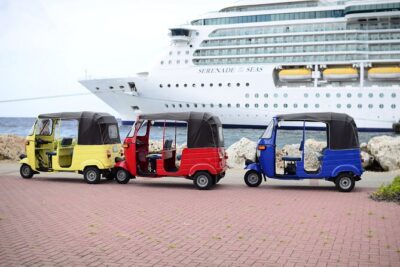
2-Hour TukTuk Rental with an Experienced Guide and Driver
Read our review →
6 Hour Private Guided Tour Beyond the Beaches of Curacao
Read our review →
Guided paddleboarding (SUP) mangrove ECO tour for beginners
Read our review →
Guided Shore Dive for Certified Divers with Scubaçao (2 tank)
Read our review →
2 tank guided dive House Reef (Pierbaai Reef and Car Pile)
Read our review →
Personalized 2 Tank Guided Experience in Curaçao
Read our review →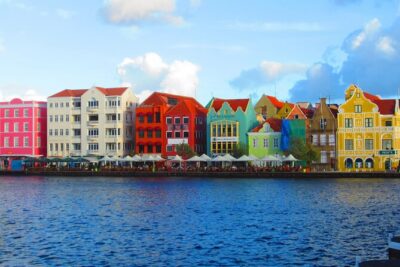
Browse the lists this tour appears in